What Is the Most Wanted 3D Printed Item?
High-Demand 3D Printed Products in Modern Manufacturing
The most wanted 3D printed items are high-performance metal parts used in aerospace, medical, automotive, and industrial applications. These products usually require lightweight structures, complex designs, and customized production, which makes traditional manufacturing more challenging.
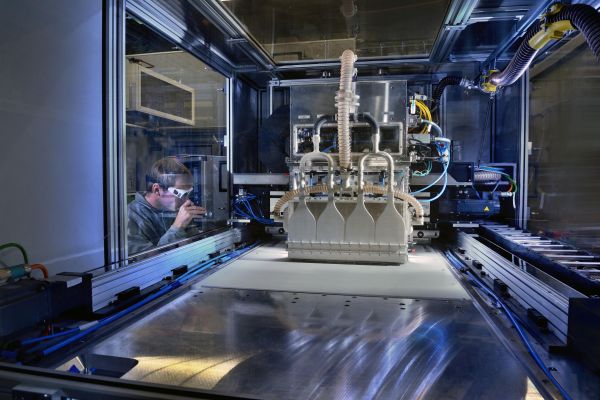
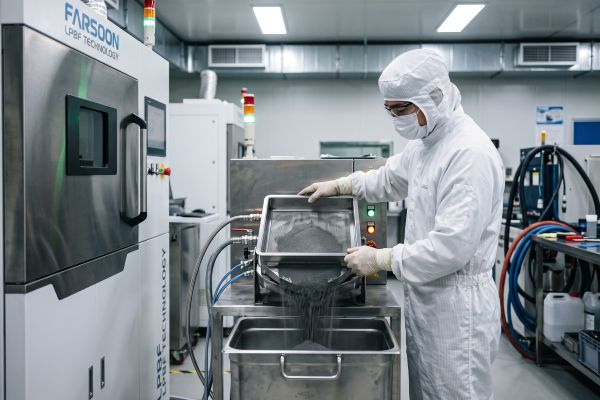
With the development of advanced manufacturing, Metal 3D Printing has become an effective solution for producing valuable metal components. It allows manufacturers to create parts with optimized structures, reduce material waste, and shorten development cycles. Instead of focusing only on prototypes, many companies now use 3D printing technology for functional end-use products.
High-Demand Metal 3D Printed Parts
Aerospace Components Made with Metal 3D Printing
Aerospace components are among the most valuable applications of Metal 3D Printing. Aircraft manufacturers need parts that can provide high strength while keeping weight as low as possible. Lightweight structures help improve fuel efficiency and overall performance.
Common aerospace applications include engine components, structural brackets, and heat-resistant parts. Metal 3D Printing can create complex internal structures that are difficult to produce through traditional machining methods.
For example, manufacturers can design lightweight lattice structures or parts with internal channels to improve performance. Traditional processes often require multiple manufacturing steps and remove large amounts of material. In contrast, metal additive manufacturing builds components layer by layer, providing greater design flexibility and production efficiency.
Medical Implants and Surgical Parts
Medical implants are another important category of high-demand 3D printed products. Patients often require customized solutions that match their individual anatomical structures. Metal 3D Printing enables manufacturers to produce personalized implants based on digital models.
Titanium alloys are widely used in medical applications because they offer excellent strength, corrosion resistance, and biocompatibility. Common products include orthopedic implants, bone replacement parts, and specialized surgical tools.
Compared with conventional manufacturing methods, metal additive manufacturing provides more freedom when creating complex shapes. This advantage helps medical companies develop customized products with improved patient compatibility.
Automotive Performance Parts
The automotive industry also creates strong demand for advanced 3D printed components. Racing teams and performance vehicle manufacturers often use Metal 3D Printing to develop lightweight and high-strength parts.
Typical applications include engine components, suspension parts, and customized prototypes. These products often require complex geometries and excellent mechanical performance.
Another major advantage is faster product development. Engineers can quickly modify digital designs and produce new test parts without creating expensive molds. This capability reduces development time and allows automotive companies to introduce new technologies more efficiently.
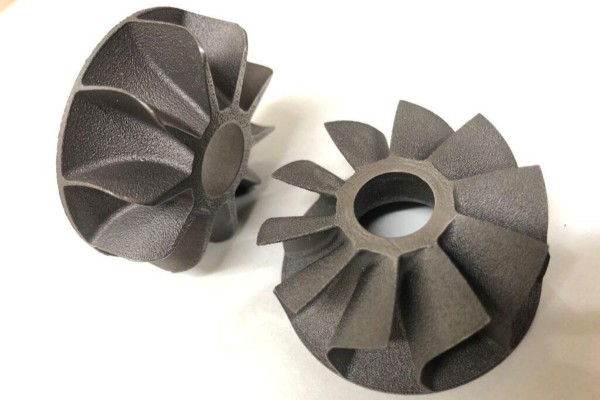
Industrial Tooling and Functional Parts
Industrial tooling and functional components represent another major market for metal printed products. Many manufacturers use Metal 3D Printing to produce molds, fixtures, tools, and low-volume production parts.
Traditional tooling production can require significant time and investment, especially for complex designs. Metal additive manufacturing provides a faster and more flexible approach by allowing companies to produce customized tools based on specific requirements.
For businesses that need small quantities of specialized components, this technology offers an economical option. It reduces tooling costs while maintaining high product performance.
Why These Products Are Popular
The popularity of these 3D printed products comes from several important advantages. First, many industries require parts with unique designs and high-performance characteristics. Complex geometries, lightweight structures, and customized solutions are easier to achieve through additive manufacturing.
Second, Metal 3D Printing helps companies reduce product development time. Manufacturers can move from digital designs to physical components faster, which improves innovation speed and market response.
In addition, this technology is suitable for low-volume production. Many industries do not need thousands of identical parts. Instead, they need specialized components with high value and specific functions. Metal printing provides an efficient way to meet these requirements.
Conclusion: The Future of Metal 3D Printing Applications
The most demanded 3D printed products are no longer limited to prototypes. High-performance metal parts for aerospace, medical, automotive, and industrial applications have become key areas of growth.
As Metal 3D Printing technology continues to improve, more companies will use it for customized production, complex components, and advanced manufacturing solutions. Its ability to combine design flexibility, production efficiency, and material performance makes it an important technology for the future of manufacturing.
If you are looking for a Metal 3D Printing solution for your production needs, feel free to contact us. Our professional team can recommend suitable equipment and provide technical support based on your application, material, and production requirements.