How Much Does It Cost to Run a 3D Printer for 1 Hour?
The Cost of Running a 3D Printer Depends on Multiple Factors
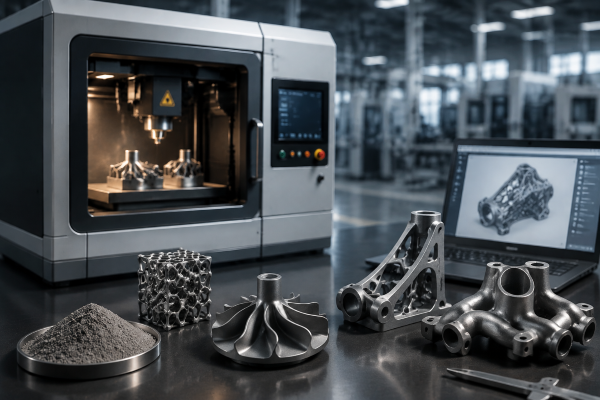
Many people ask how much it costs to run a 3D Printer for one hour before investing in additive manufacturing equipment. However, there is no single fixed price because operating costs depend on several factors, including electricity consumption, material usage, maintenance requirements, and machine type. For industrial applications, the cost of operating a Metal 3D Printer can also vary significantly depending on the material, energy consumption, and production process.
For small desktop machines, the hourly cost may be relatively low because they use less power and affordable materials. However, industrial systems, especially Metal 3D Printers, require more advanced materials, higher energy consumption, and additional processing steps.
Understanding these costs helps manufacturers estimate production expenses, improve efficiency, and evaluate the return on investment of additive manufacturing technology.
What Factors Affect the Cost of Running a 3D Printer?
The total operating cost of a 3D Printer usually includes electricity, materials, maintenance, and other consumables.
Electricity Consumption
Electricity is one of the basic costs of running a 3D Printer. The actual power consumption depends on the machine type, printing speed, build size, and operating conditions.
Desktop FDM printers usually consume relatively low power because they have smaller heating systems and simpler structures. The main energy usage comes from heating the print bed and nozzle.
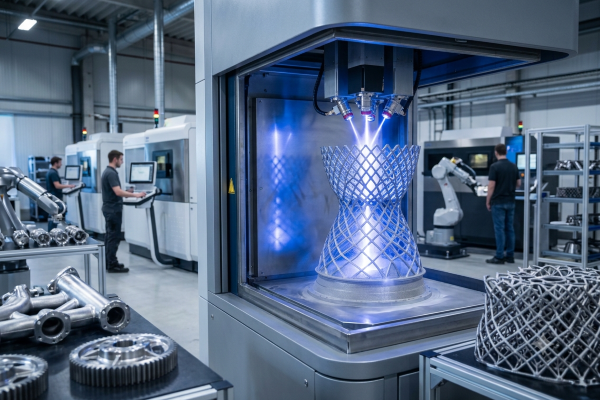
Larger industrial machines require more energy because they often include powerful laser systems, larger build chambers, heating systems, and additional equipment. This is especially true for Metal 3D Printing systems, which require laser melting, controlled environments, and advanced processing equipment.
Although electricity contributes to operating costs, it is usually not the largest expense for most additive manufacturing processes.
Material Cost
Material cost is often one of the most important factors affecting 3D printing expenses.
For desktop printers, common materials include PLA, ABS, and resin. These materials are widely available and suitable for prototypes, models, and general applications.
Industrial applications usually require higher-performance materials. In Metal 3D Printing, materials such as titanium powder, aluminum powder, and stainless steel powder are commonly used for producing high-performance components.
These materials provide excellent mechanical properties but are significantly more expensive than standard plastics. Material selection should match application requirements. Using advanced materials when they are not necessary can increase production costs without providing additional value.
Maintenance and Consumables
Maintenance costs are another important part of operating a 3D Printer. Regular maintenance helps maintain print quality and extends machine lifespan.
Common expenses include replacement parts, filters, cleaning materials, and wear components. Industrial equipment may require additional maintenance for laser systems, powder management systems, and other specialized components.
Proper maintenance planning can reduce unexpected downtime and improve overall production efficiency.
Average Cost of Running Different Types of 3D Printers
The hourly cost of operating a 3D Printer varies greatly depending on the technology.
Desktop FDM Printer
Desktop FDM printers usually have the lowest operating costs. Electricity consumption is low, and materials such as PLA and ABS are relatively affordable.
These machines are suitable for education, hobby projects, prototypes, and simple functional parts. However, they are usually not designed for industrial production.
Resin Printer
Resin printers generally have higher material costs because liquid resin is more expensive than standard filaments. They also require additional processes such as cleaning and curing.
These printers are often used for detailed models, dental applications, and precision prototypes.
Industrial Polymer Printer
Industrial polymer printers provide better performance and larger production capabilities. However, their operating costs increase due to higher material prices, maintenance requirements, and more complex systems.
They are commonly used for professional prototypes and low-volume production.
Metal 3D Printer
A Metal 3D Printer has the highest operating cost among these categories. The cost includes metal powder, electricity, inert gas, maintenance, and post-processing.
However, the value of a Metal 3D Printer comes from its ability to produce complex and durable parts that are difficult to manufacture with traditional methods.
Although the hourly cost is higher, metal additive manufacturing provides unique advantages for industries requiring strong, complex, and customized components.
How Much Does a Metal 3D Printer Cost to Run Per Hour
The cost of running a Metal 3D Printer depends on several production factors.
First, metal powder consumption affects the overall cost. Materials such as titanium, aluminum, and stainless steel powders are more expensive than polymer materials. Efficient powder recycling and optimized part design can help reduce material waste.
Second, laser operation contributes to energy consumption. Metal additive manufacturing systems use high-power lasers to melt metal powder layer by layer, which requires more energy than desktop machines.
Third, industrial metal printing often requires protective gases, such as argon or nitrogen, to maintain a stable printing environment. Gas consumption adds another operating expense.
Finally, post-processing can affect the total production cost. Processes such as powder removal, heat treatment, and surface finishing may be required depending on the application.
Efficient Metal 3D Printing processes can reduce powder waste and improve overall production efficiency. Although the operating cost of a Metal 3D Printer is higher, it can provide better value for low-volume production, customized components, and complex geometries.
How Can You Reduce 3D Printing Costs?
Manufacturers can reduce 3D Printer operating costs through better planning and process optimization.
Optimize Part Design
Reducing unnecessary support structures can lower material consumption and shorten printing time. Engineers can also improve designs to reduce weight while maintaining required performance.
Select the Right Materials
Choosing suitable materials is important for cost control. High-performance materials should only be used when their properties are necessary for the application.
Improve Machine Utilization
Increasing machine utilization can reduce the cost per part. Batch production, optimized scheduling, and reduced idle time help manufacturers achieve better efficiency.
Compare 3D Printing With Traditional Manufacturing
Although 3D printing may have higher equipment costs, it can reduce expenses in specific applications.
Compared with traditional manufacturing methods, additive manufacturing can reduce material waste, eliminate some tooling costs, and shorten prototype development time.
It is especially valuable for low-volume production, customized parts, and components with complex geometries where conventional manufacturing may require expensive tools or multiple processing steps.
Conclusion
The cost of running a 3D Printer for one hour depends on machine type, materials, energy consumption, and maintenance requirements. Desktop printers may have low operating costs, while industrial Metal 3D Printers require higher investment but provide greater manufacturing capabilities.
For companies evaluating additive manufacturing, understanding total operating costs is essential for selecting the right equipment and improving production efficiency. Contact us to learn more about metal additive manufacturing solutions and discover how advanced 3D printing technology can support your production needs.