Do 3D Printers Run Up an Electricity Bill?
Understanding 3D Printer Operating Costs
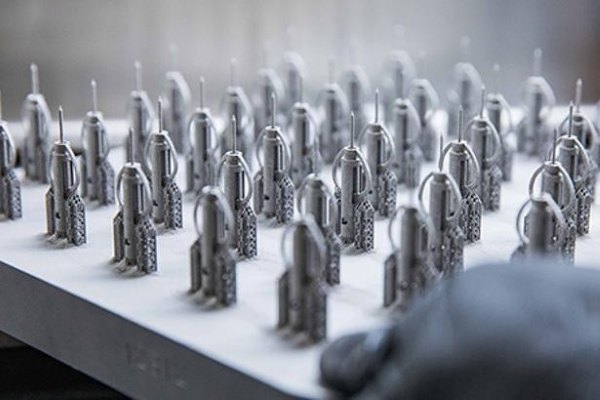
Yes, a 3D printer can increase your electricity bill, but the actual cost depends on the machine and how often you use it. A small desktop printer normally uses less power and runs for shorter jobs. Industrial Metal 3D Printers are different. They often operate for many hours and use high-power laser systems, gas protection, and other supporting equipment.
For businesses, electricity is only one part of the operating cost. Material consumption, maintenance, labor, and post-processing can have a greater effect on the final cost of a printed part. This is especially important when evaluating Metal 3D Printers for continuous production.
How Much Electricity Do Metal 3D Printers Use?
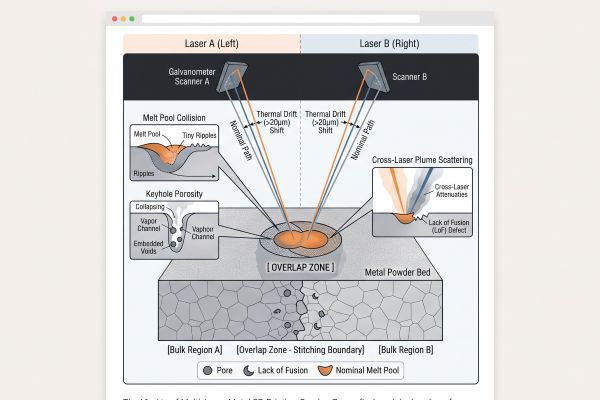
The power consumption of Metal 3D Printers varies by machine size, laser configuration, printing material, and production time. A metal printing system does more than melt powder. It also needs to maintain suitable conditions inside the build chamber throughout the printing process.
The laser is one of the main power-consuming components. However, other systems also require electricity. These can include heaters, motors, control systems, cooling units, gas circulation, and monitoring equipment.
This means buyers should not estimate electricity costs from laser power alone. A machine with a higher laser rating may produce more parts in one production cycle. Its electricity cost per part could therefore be reasonable when the build volume is used efficiently.
Factors Affecting Energy Consumption
Machine Size
Machine size has a noticeable effect on energy use. Larger Metal 3D Printers normally have a larger build chamber and may use more powerful lasers and cooling systems.
However, higher power does not always mean higher cost per part. A large machine can produce several components in one build. When the available build space is used effectively, the energy cost can be distributed across more parts.
Printing Materials
Metal materials also affect the printing process. Different alloys require different laser settings, scanning speeds, and layer thicknesses. These parameters can change both printing time and energy consumption.
Metal powder processing also requires a controlled atmosphere. Metal 3D Printers commonly use protective gas to reduce unwanted reactions during printing. The gas supply and circulation system therefore contribute to the overall energy demand.
Printing Time
Printing time is another major factor. A small metal component may finish relatively quickly, while a complex part can require many hours of continuous operation.
Longer production cycles naturally increase electricity consumption. Optimizing part orientation, layer parameters, and build layouts can help Metal 3D Printers complete jobs more efficiently.
Additional Equipment
The printer itself is not the only source of power consumption. A complete metal additive manufacturing workflow may include a powder management system, cooling equipment, sieving equipment, and post-processing machinery.
These systems can add to the total electricity bill. Buyers should therefore calculate the energy consumption of the entire production setup rather than looking at the printer alone.
Are Metal 3D Printers Cost Effective?
Higher electricity consumption does not automatically make Metal 3D Printers expensive to operate. Their value comes from what they can achieve during production.
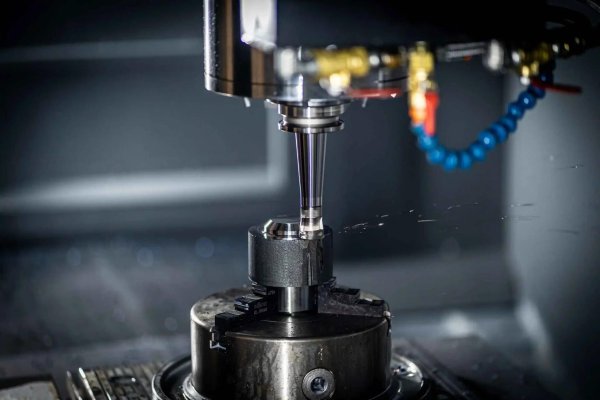
Metal 3D printing can reduce material waste for certain complex components and may reduce the number of traditional machining steps. It can also produce geometries that would be difficult or expensive to manufacture with conventional methods.
For low-volume production, complex parts, and customized components, these advantages can offset energy costs. The better question is not simply how much electricity Metal 3D Printers consume. Buyers should consider the total cost per finished part.
Conclusion
Metal 3D Printers can increase electricity costs, especially during long production runs. However, electricity is only one part of the overall manufacturing cost.
Machine capacity, material usage, printing time, and supporting equipment all affect the final expense. When a metal printing system reduces waste and machining requirements, its higher energy consumption can still be justified by improved production efficiency.
If you are evaluating the value of Metal 3D Printers for your production, feel free to contact us. We can discuss suitable printing options based on your part type, materials, and production requirements.