Unlocking Metal 3D Printing Costs
Introduction
Are you trying to lower your custom metal manufacturing expenses? Metal 3D printing offers speed and freedom for complex parts, but understanding its pricing can be tricky. This comprehensive guide breaks down metal 3D printing cost factors, metal powder pricing, SLM machine rates, and post-processing fees. Learn how suppliers evaluate your 3D models and where your money actually goes.
Why Is Metal 3D Printing Expensive?
Many buyers ask: “Why does metal 3D printing cost much more than traditional CNC machining?”
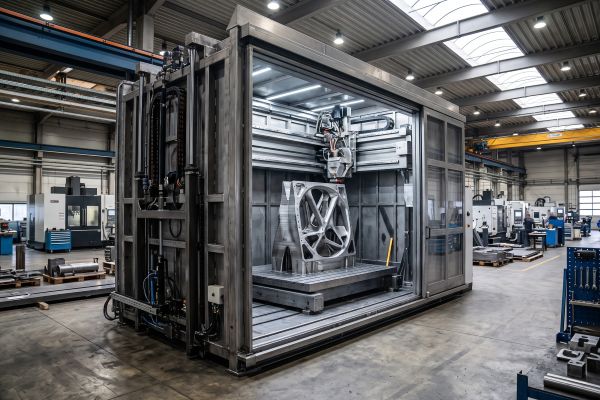
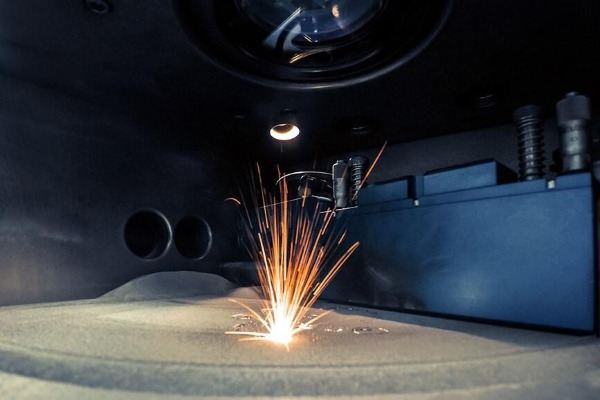
The short answer comes down to advanced technology, high material costs, and labor-intensive finishing. Unlike traditional cutting, Selective Laser Melting (SLM) builds parts layer by layer using powerful lasers and pure metal powders. You are paying for speed, design flexibility, and zero tooling requirements.
Question 1: How Does Metal Powder Affect My Quote?
Does part weight determine material cost? Not entirely.
Metal powder pricing varies by material grade. Stainless steel (316L) and aluminum (AlSi10Mg) are affordable. Titanium (Ti64) and nickel alloys (Inconel 718) cost much more.
However, you pay for more than just the final part weight:
- Support structure material: Sacrificial metal supports use extra powder.
- Powder degradation: Not all unused powder can be reused forever.
- Blade wiper loss: Small amounts of powder are swept away during recoating.
Question 2: Why Does Part Height Increase Machine Fees?
Why does tall part geometry cost more than wide part geometry?
SLM machine rates depend heavily on print time. Print time relates directly to the Z-axis (height) of your part.
Every layer requires the recoater blade to spread fresh metal powder. A taller part needs thousands of extra layers. More layers mean more recoating passes, longer laser exposure, and higher machine hourly rates. Turning a part on its side can cut machine time significantly.
Question 3: Why Are Post-Processing Fees So High?
Is the part ready right after the laser finishes printing? No, printing is only half the job.
Post-processing expenses often account for 30% to 50% of the total quote. Common secondary steps include:
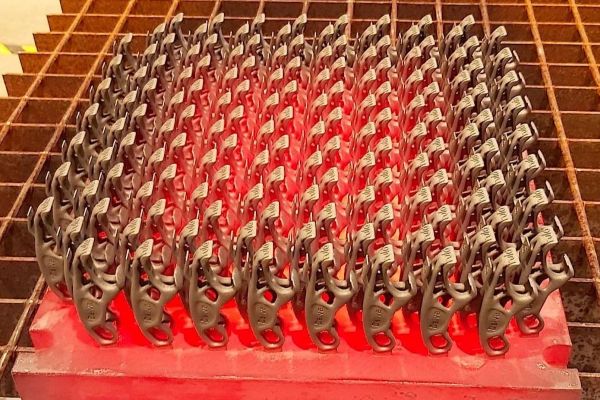
- Support removal: Metal supports are tough. Workers remove them manually or use Wire EDM.
- Heat treatment: Parts need stress relief annealing to prevent warping.
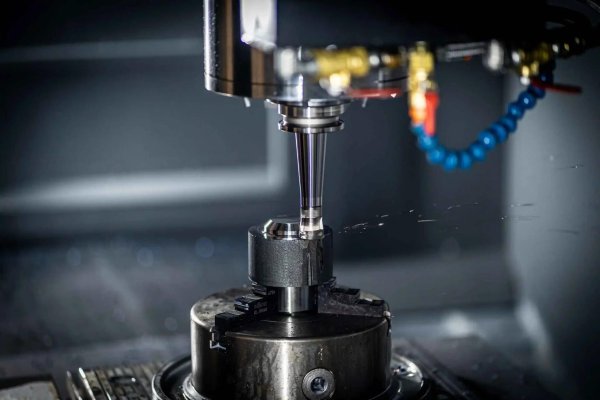
- Surface finishing: Sandblasting, polishing, or CNC machining for critical tolerances.
- Quality inspection: Density testing, X-ray inspection, and CMM checks.
Question 4: Are There Hidden Costs in File Setup?
What happens before the printer even starts?
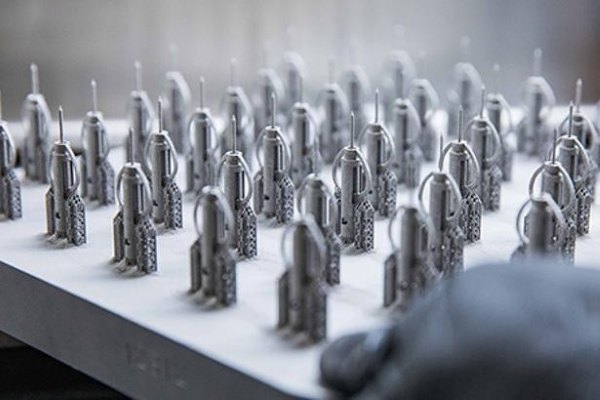
Engineers spend hours preparing your CAD files. They perform file repairs, orient parts for maximum stability, and design support structures. They also run nestings to pack multiple parts into one build volume. This technical setup fee covers engineering expertise to ensure your print does not fail.
Frequently Asked Questions by Buyers
“Why did my price double when I flipped the part upside down?”
Orientation changes Z-axis height and support requirements. More supports mean higher raw material waste and longer manual removal time.
“Can I skip heat treatment to save money?”
Skipping heat treatment releases internal thermal stress unpredictably. Your part may warp, crack, or fail under stress. It is rarely worth the risk.
“Why is prototype pricing higher per unit than batch pricing?”
Single-part orders bear the full fixed cost of machine setup, gas purging, and file preparation alone.
Summary of Cost Drivers
| Cost Component | Percentage of Quote | Key Driver |
|---|---|---|
| Material Cost | 15% – 25% | Powder alloy type, support volume, waste |
| Machine Time | 30% – 45% | Z-axis height, laser path, build volume |
| Post-Processing | 25% – 40% | Support removal, heat treatment, machining |
| Setup & QA | 5% – 15% | DFM review, nesting, inspection reports |
Get an Accurate Metal 3D Printing Cost Estimate
Metal 3D printing costs depend on many factors, including material selection, part geometry, build orientation, production volume, and required post-processing. A small design adjustment can significantly reduce manufacturing costs while improving print efficiency and part performance.
At TECHIN, we provide professional metal 3D printing solutions, including SLM metal 3D printers, metal powder materials, and custom metal part manufacturing services. Our engineering team can help evaluate your design, optimize printing parameters, and recommend the most cost-effective production approach for your application.
Whether you need a prototype, small-batch production, or industrial metal components, contact TECHIN today to discuss your project requirements and receive a customized metal 3D printing cost analysis.