What Is the Lifespan of a 3D Printer?
A 3D printer does not have a fixed lifespan. Its service life depends on machine design, production workload, component quality, maintenance, and operating conditions. These factors become especially important when choosing equipment for industrial metal production.
A well-maintained Metal 3D Printer can provide reliable production for many years. However, machine age alone does not determine whether equipment remains productive. Print consistency, maintenance costs, downtime, and component condition also matter.
How Long Does a Metal 3D Printer Last?
There is no universal service life for a Metal 3D Printer. Different manufacturers use different components, designs, and production configurations.
An industrial machine used occasionally will experience different wear from one operating every day. Long build times and high utilization can increase maintenance requirements for mechanical, optical, and gas-handling systems.
Therefore, buyers should evaluate expected operating hours and production conditions instead of focusing only on the number of years since installation.
For industrial users, reliable performance is often more important than a simple age figure. A machine that maintains stable output can remain valuable even after years of operation.
What Determines the Lifespan of a Metal 3D Printer?
Production Hours and Workload
Production workload has a direct influence on maintenance requirements. Occasional production generally creates less operating stress than continuous industrial production.
Frequent builds can increase wear on the recoating system, motion components, filters, and other consumable parts. Long production cycles also require stable gas circulation and process monitoring.
High utilization does not automatically mean a short machine life. Industrial equipment is designed for demanding workloads. However, intensive production requires a suitable maintenance plan.
Machine Design and Component Quality
Machine design also affects long-term reliability. A Metal 3D Printer typically contains a laser system, optical components, recoating system, build platform, gas circulation system, powder delivery system, motion components, and control system.
Each system has a different role in production. Reliable components can support stable operation and reduce unexpected downtime. Good system integration can also make maintenance easier.
Which Components Need the Most Maintenance?
Metal 3D Printing involves several systems that require regular inspection and maintenance.
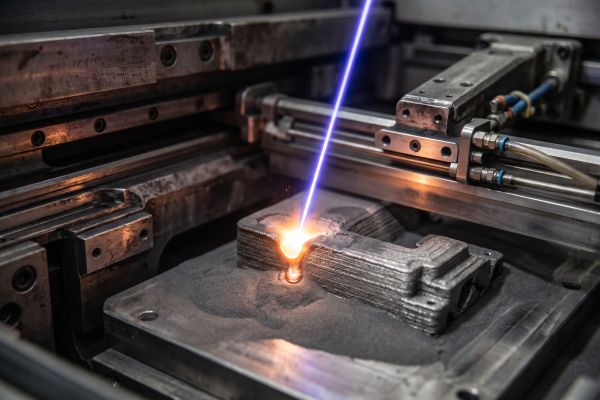
The laser and optical system needs attention because optical contamination can affect energy delivery and process stability. Regular inspection helps maintain consistent performance.
The recoating system is also important. Its condition affects powder layer quality and surface accuracy. Mechanical wear can eventually affect printing consistency.
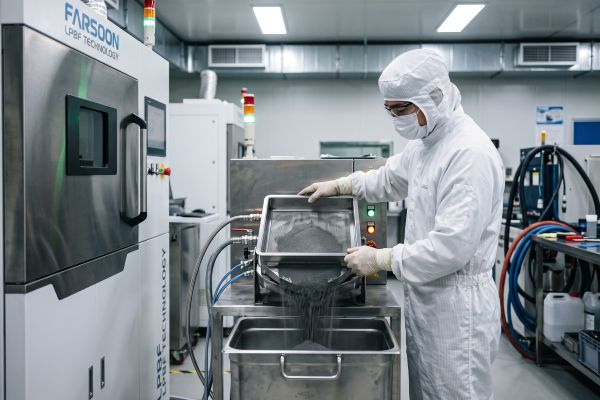
The powder management system requires careful handling. Operators need to control powder storage, contamination, recycling, and transfer procedures. Proper powder management can support stable production and protect equipment.
The gas and filtration system also requires regular care. Inert gas circulation helps maintain a controlled chamber environment, while filters need replacement according to operating conditions.
How Does Maintenance Extend Machine Life?
Regular maintenance can help prevent small component problems from becoming major production failures.
Operators should follow the manufacturer’s maintenance schedule and keep the build chamber clean. Optical components should be inspected regularly, while the recoating system should be checked for mechanical wear.
Powder handling procedures should also remain consistent. Filters and other consumable components should be replaced when required.
It is also useful to record maintenance activities and operating data. These records can help identify changes in machine performance before they cause serious production problems.
Does Heavy Metal 3D Printing Reduce Machine Lifespan?
Heavy production does not automatically shorten the lifespan of industrial equipment. A Metal 3D Printer is designed to support demanding workloads, but operating conditions should remain within manufacturer specifications.
The more important factors are operating hours, workload, maintenance quality, and component condition. A machine with high utilization can still provide reliable production when maintenance is properly managed.
Therefore, manufacturers should balance production efficiency with regular inspection and servicing.
When Should You Replace a Metal 3D Printer?
Machine age is only one factor when deciding whether to replace a Metal 3D Printer. More important warning signs can include frequent unexpected downtime, rising maintenance costs, declining print consistency, and outdated technology.
Insufficient build volume can also become a problem when production requirements increase. Low productivity, limited spare parts availability, or poor technical support may further reduce the machine’s long-term value.
In these situations, replacing the equipment may be more economical than continuing to operate an increasingly inefficient system.
How to Get Better Long-Term Value from a Metal 3D Printer
Buyers should choose equipment according to actual production requirements. Build volume, productivity, component quality, maintenance needs, spare parts availability, and technical support should all be considered.
Comparing different Metal 3D Printers only by purchase price can lead to an incomplete decision. Total cost of ownership provides a better view of long-term value.
Conclusion
The lifespan of a Metal 3D Printer depends on more than its age. Equipment quality, production workload, maintenance, operating conditions, and technical support all affect long-term performance.
For buyers, the goal should not simply be to find a machine that lasts longer. A reliable machine should also provide stable production, manageable maintenance costs, and suitable productivity throughout its service life.
Need a Metal 3D Printer for long-term production? Contact us for a solution built around your manufacturing needs.