Are Metal 3D Printers Worth It?
Is Investing in a Metal 3D Printer a Smart Choice?
Metal 3D Printers are a significant investment for most manufacturers. The equipment cost, metal materials, and supporting processes are much higher than those of standard plastic 3D printers. This often leads companies to ask an important question: Are Metal 3D Printers worth it?
The answer depends on what a company needs to manufacture. For simple, high-volume parts, traditional manufacturing methods may still be more economical. However, for complex metal components, customized parts, and low-volume production, metal 3D printing can provide advantages that are difficult to achieve with conventional methods.
The value of a Metal 3D Printer is not only measured by the purchase price. It should also be evaluated by design flexibility, material efficiency, development speed, and the ability to produce parts that were previously difficult or impossible to manufacture.
What Makes Metal 3D Printers a Significant Investment?
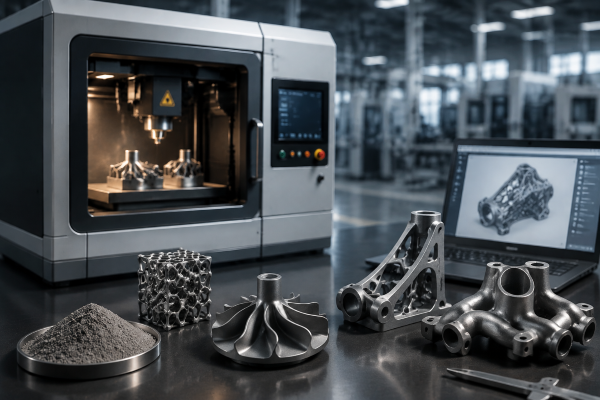
Metal 3D Printers are more expensive because they require advanced systems to process metal materials with high accuracy and reliability.
One important factor is the laser system. Technologies such as SLM technology use high-power lasers to melt metal powder layer by layer. The laser system needs precise control to maintain consistent quality throughout the printing process.
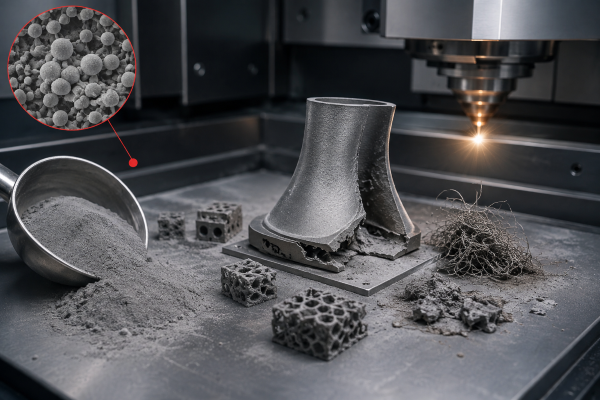
Another cost factor is metal powder management. Unlike traditional manufacturing materials, metal powders require proper handling, storage, and recycling systems. The quality of the powder also directly affects the final part performance.
In addition, industrial Metal 3D Printers require specialized software and process control systems. These systems help manufacturers optimize printing parameters and maintain stable production results.
Although these factors increase the initial investment, they also allow manufacturers to produce high-performance metal parts with greater design freedom.
Why Do Manufacturers Choose Metal 3D Printing?
Production of Complex Metal Parts
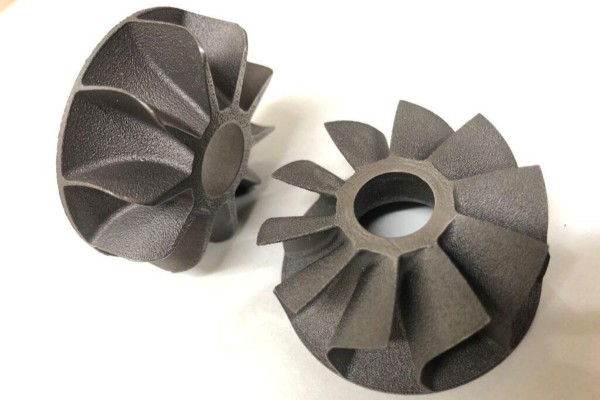
One of the main reasons companies invest in Metal 3D Printers is the ability to manufacture complex geometries.
Traditional manufacturing methods often have limitations when producing parts with internal structures, lightweight designs, or complex shapes. For example, CNC machining may require multiple processes or specialized tools to create certain geometries.
With metal 3D printing, parts are built layer by layer based on a digital design. This approach makes it possible to create internal channels, lattice structures, and optimized designs that are difficult to achieve with conventional methods.
For industries such as aerospace and medical manufacturing, these design advantages can improve product performance while reducing part weight.
Reduced Material Waste
Material efficiency is another important factor when evaluating the value of a Metal 3D Printer.
Traditional machining is a subtractive manufacturing process. It creates parts by removing material from a larger block, which can result in significant waste, especially when using expensive metals.
Metal 3D printing follows an additive manufacturing approach. The printer adds material only where it is required according to the digital model. This can help reduce waste and improve material utilization.
For materials such as titanium alloys and nickel alloys, reducing unnecessary material loss can provide meaningful cost benefits.
Faster Product Development
Metal 3D Printers can also improve the product development process.
When manufacturers develop new components, producing traditional prototypes may require molds, tooling, or long preparation times. With metal additive manufacturing, engineers can directly produce test parts from digital designs.
This allows companies to evaluate designs, make improvements, and complete testing more efficiently. It is especially valuable for customized products and low-volume production where traditional manufacturing may involve higher setup costs.
When Does a Metal 3D Printer Become Worth the Investment?
A Metal 3D Printer is most valuable when the manufactured parts have high complexity, high value, or special performance requirements.
In the aerospace industry, manufacturers use metal 3D printing to produce lightweight components with optimized structures. Reducing weight while maintaining strength is a key requirement for many aerospace applications.
In the medical industry, Metal 3D Printers support the production of customized implants and patient-specific components. These parts often require unique designs that are difficult to manufacture using traditional processes.
In the automotive industry, metal additive manufacturing is used for prototypes, performance components, and specialized parts. It helps engineers test new designs without the limitations of traditional tooling.
The technology is also suitable for customized industrial components and low-volume production. When the value of a part depends on its complexity rather than quantity, Metal 3D printing becomes a more competitive manufacturing option.
Metal 3D Printing vs CNC Machining: Which Provides More Value?
Metal 3D printing and CNC machining are not direct replacements for each other. Each method has different advantages depending on the application.
CNC machining remains an important manufacturing technology because it provides high precision, excellent surface quality, and a mature production process. It is often the better choice for simple geometries and large-volume production.
However, CNC machining has limitations when producing complex internal structures or lightweight designs. Material waste can also become a concern when machining expensive metals.
Metal 3D printing provides greater design flexibility and supports complex geometries that are difficult to manufacture through traditional methods. It is especially suitable for customized components, prototypes, and low-volume production.
The right choice depends on the specific manufacturing requirements. Companies should consider part design, production volume, material cost, and performance requirements before selecting a manufacturing method.
Conclusion
Metal 3D Printers are worth the investment when manufacturers need complex, customized, or high-performance metal parts. While the initial cost is higher, the advantages in design flexibility, material efficiency, and production capability can provide long-term value.
If you are looking for a reliable Metal 3D Printer solution, please contact us for professional support.