Support Structures in Metal Additive Manufacturing: Design Tips
Support structures play a critical role in metal additive manufacturing. While they are temporary features removed after printing, they directly affect part quality, build success, and production costs.
Understanding how supports work and how to optimize them can help manufacturers improve efficiency and reduce post-processing time.
Why Are Support Structures Needed?
Unlike conventional manufacturing methods, metal 3D printing builds parts layer by layer.
Supports are typically required to:
- Anchor parts to the build plate
- Prevent deformation
- Dissipate heat during printing
- Support overhanging features
- Reduce residual stress
Without adequate support, a build may fail or produce inaccurate parts.
Types of Support Structures
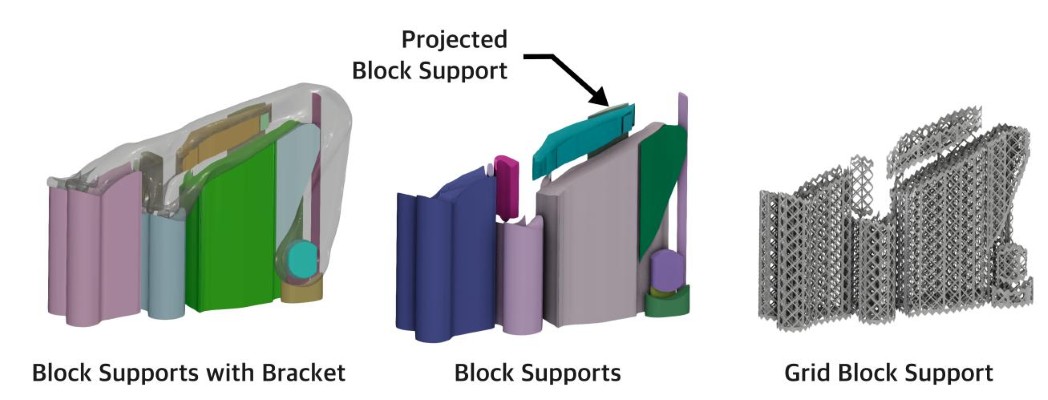
Block Supports
Dense supports designed for large overhangs and heavy sections.
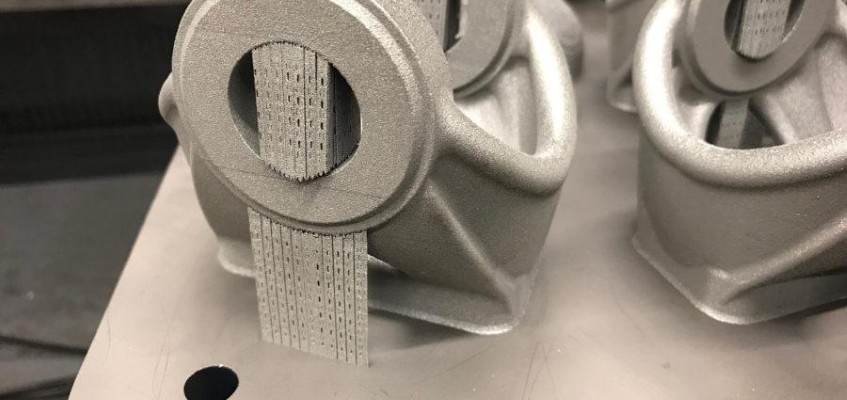
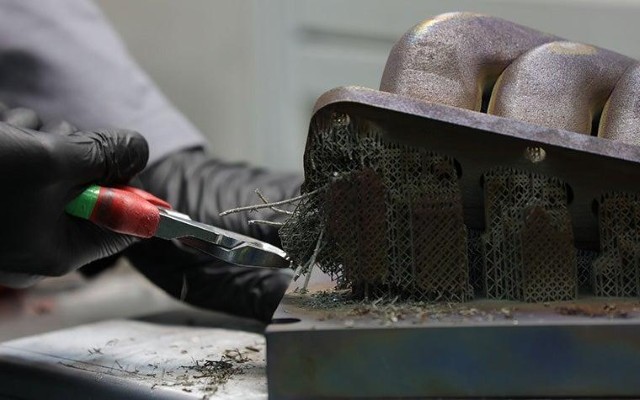
Lattice Supports
Lightweight structures that use less material while providing sufficient stability.
Tree Supports
Branch-like structures that minimize contact points and simplify removal.
Custom Supports
Engineered supports designed specifically for complex geometries.
Factors Influencing Support Design
Overhang Angles
Features with steep overhangs often require support.
Part Geometry
Internal channels, thin walls, and complex shapes may require additional stabilization.
Thermal Management
Supports help conduct heat away from the melt pool during printing.
Post-Processing Accessibility
Supports should be positioned where they can be removed efficiently.
How to Reduce Support Requirements
Optimize Build Orientation
A different build angle can significantly reduce unsupported areas.
Design Self-Supporting Features
Use angles and geometries that naturally support themselves.
Avoid Large Flat Overhangs
Curved surfaces often print more effectively than flat horizontal sections.
Split Complex Assemblies
Large components may be redesigned into smaller sections that require fewer supports.
Common Challenges
Poor support design may lead to:
- Warping
- Surface defects
- Difficult support removal
- Increased machining costs
- Build failures
Balancing support strength and removability is essential.
Conclusion
Support structures are a fundamental part of successful metal additive manufacturing. By carefully designing and optimizing supports, manufacturers can reduce material consumption, improve part quality, and streamline post-processing operations.
Looking for Professional Metal AM Support?
Techin Limited provides comprehensive support for metal additive manufacturing projects, including design optimization, support strategy development, material selection, and production consulting.
📩 Contact us today to discuss your metal 3D printing requirements.