Post-Processing Techniques for Metal 3D Printed Parts
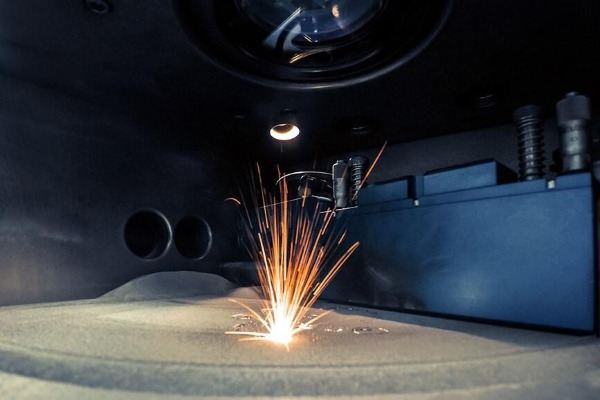
Metal additive manufacturing produces highly complex components, but printing is only one step in the production process. Post-processing is often necessary to achieve the required dimensional accuracy, surface finish, and mechanical performance.
Why Post-Processing Matters?
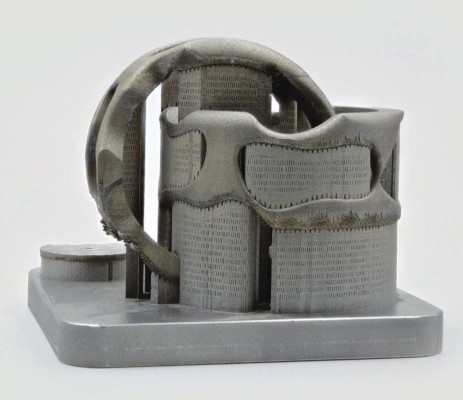
Immediately after printing, parts may contain:
- Support structures
- Residual stresses
- Rough surface textures
- Unfinished functional features
Post-processing transforms printed components into production-ready parts.
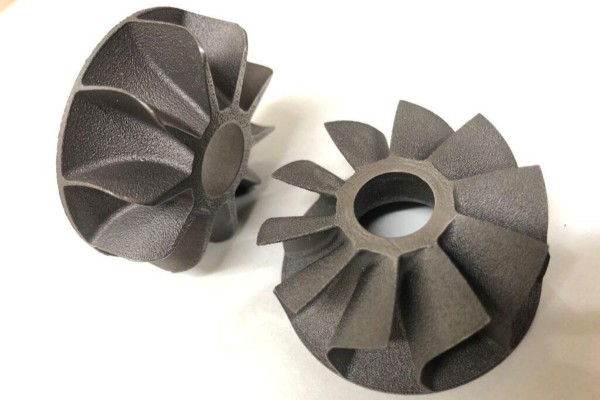
Support Removal
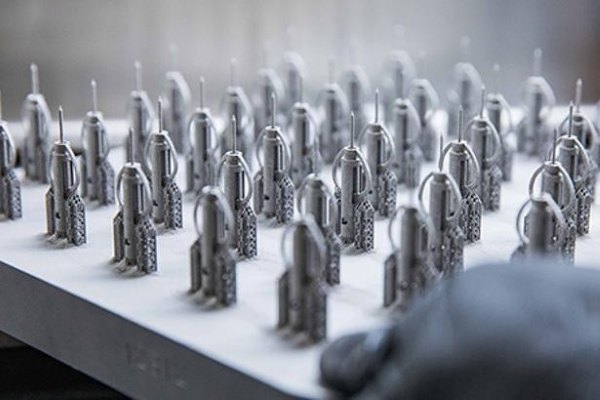
The first step typically involves removing support structures.
Methods include:
- Manual removal
- Cutting tools
- Wire EDM
- CNC machining
Proper support design can greatly simplify this process.
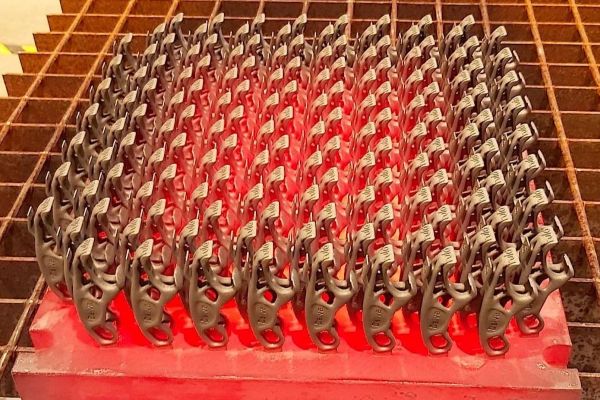
Heat Treatment
Heat treatment improves mechanical properties and relieves internal stresses generated during printing.
Benefits include:
- Improved strength
- Better fatigue resistance
- Enhanced dimensional stability
- Reduced residual stress
Common treatments vary according to material type.
Hot Isostatic Pressing (HIP)
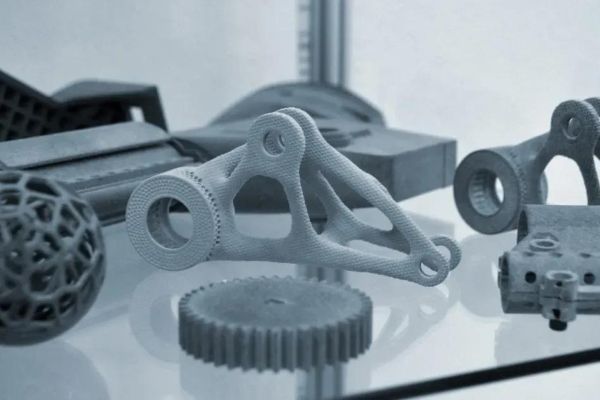
HIP combines high temperature and pressure to reduce internal porosity.
Advantages include:
- Increased density
- Improved fatigue life
- Enhanced structural integrity
HIP is commonly used in aerospace and medical applications.
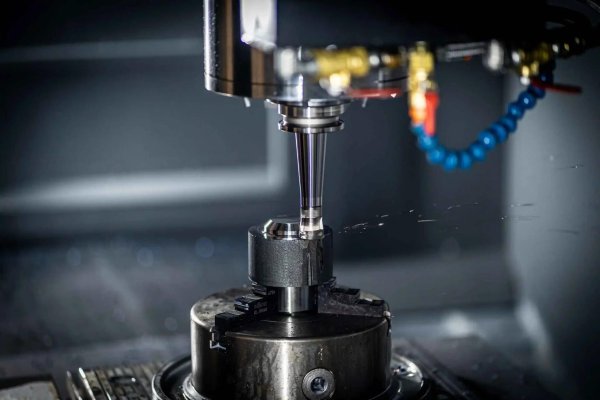
CNC Machining
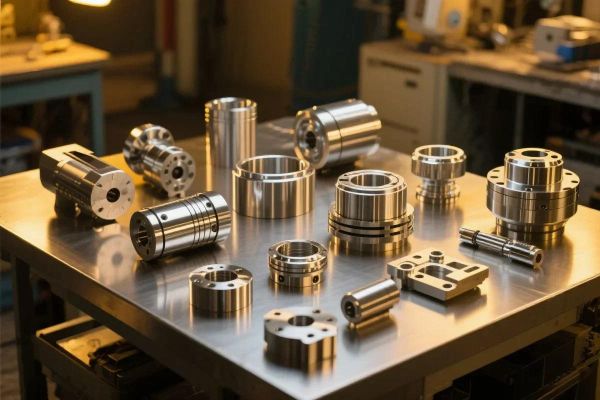
Critical surfaces often require precision machining after printing.
Machining can improve:
- Dimensional accuracy
- Surface finish
- Thread quality
- Assembly interfaces
Combining additive manufacturing with CNC machining provides excellent results.
Surface Finishing Methods
Sandblasting
Removes loose particles and improves appearance.
Grinding
Improves dimensional accuracy and surface quality.
Polishing
Creates smooth, aesthetically pleasing surfaces.
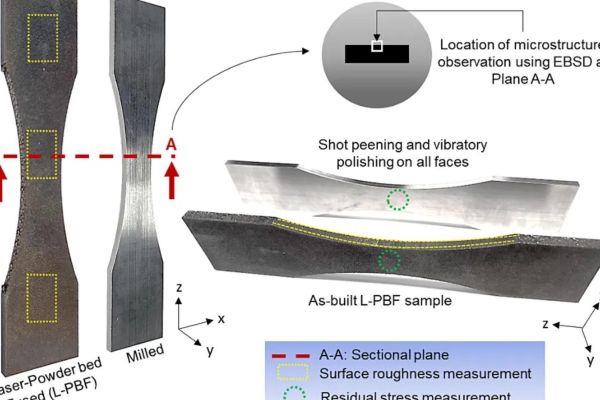
Shot Peening
Improves fatigue resistance through surface strengthening.
Electropolishing
Commonly used for medical and food-grade applications.
Inspection and Quality Control
After processing, parts should be inspected using:
- CMM measurement
- CT scanning
- Mechanical testing
- Surface roughness analysis
Quality verification ensures compliance with design requirements.
Benefits of Effective Post-Processing
Proper finishing can provide:
- Better appearance
- Higher performance
- Improved reliability
- Longer service life
- Enhanced customer satisfaction
Conclusion
Post-processing is an essential stage of metal additive manufacturing. From support removal and heat treatment to machining and polishing, these processes ensure that printed components meet demanding industrial requirements.
Partner with Techin Limited for Complete Metal AM Solutions
TECHIN offers complete metal additive manufacturing solutions, including metal 3D printer equipment, materials, printing services, and post-processing support. Whether you need prototypes or production-ready components, our team can help optimize every stage of the manufacturing process.
📩 Contact us today to learn how we can support your next metal 3D printing project.